
Your creative direction.
A practical route to production.
Wholesale jewelry manufacturing starts with understanding your range: the categories your customers expect, the price position you need to protect, and the details that make a collection recognizable across a showroom display or a marketplace listing. We discuss these priorities before proposing construction changes, so practical production decisions support the commercial range you want to build.
OEM Production
If you already have approved designs, CAD files or physical samples, we review them for manufacturing feasibility. We discuss construction, dimensions, finishing and assembly before confirming the production specification. Any suggested adjustment is presented for your approval, so the product retains the design characteristics that matter to your collection.
ODM Development
Our ODM jewelry collection development service begins with your market brief or visual direction. We can then discuss a coordinated set of designs for development. Share the intended wearer, product categories, target price position and preferred materials. We use that information to define a sampling direction and identify the details that need your decision.
Private Label
For private label jewelry manufacturing, we consider the product and its presentation together. Logo placement, engraving size, care information, display cards and packaging should be discussed early. Your branding requirements then become part of the approved brief, with the final scope confirmed for the selected products and order quantities.
From Your Buying Brief to
a Repeatable Order
For bulk custom jewelry production, each stage should leave your team with a clear decision, reference or approval. We define the project scope before committing to production, and discuss timing against the actual design, quantity and finishing requirements. Sampling, order confirmation and replenishment remain separate decisions, giving your buyers a clear view of what comes next.
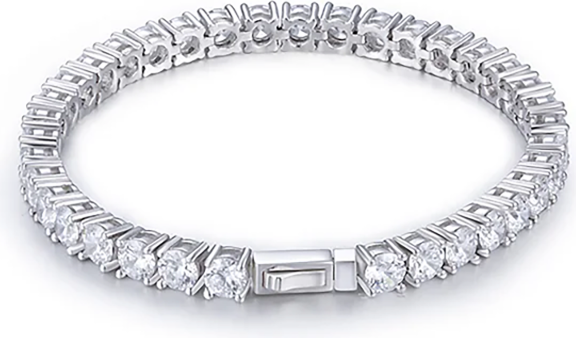
01. Share Your Buying Brief
Tell us about your product categories, target market, preferred materials and estimated quantities. Include sketches, reference images or a sample specification if available. A target delivery window and an indication of your price position help us identify the relevant options. If some details are undecided, tell us which decisions require our input.
02. Review the Proposal
We review the production approach and clarify the basis of the quotation. Discuss the quantity per design, size and finish, together with development costs, sampling, packaging and any requested testing. The proposal should identify inclusions and open decisions before the project moves forward, making comparisons between alternatives more meaningful.
03. Develop and Approve Samples
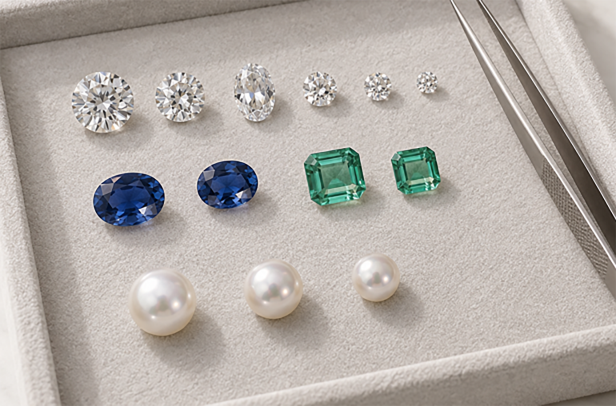
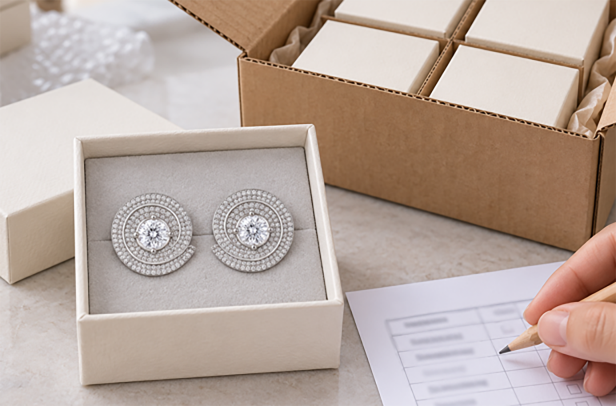
Custom jewelry sample development gives your team a physical reference. Review it for proportions, dimensions, weight, stone appearance, surface finish and wearing comfort. Earrings also need paired orientation checks, while bracelets and necklaces require attention to closures and movement. Send consolidated feedback so revisions can be tracked against one reference. Approve the agreed version before authorizing the production order.
04. Confirm the Order Details
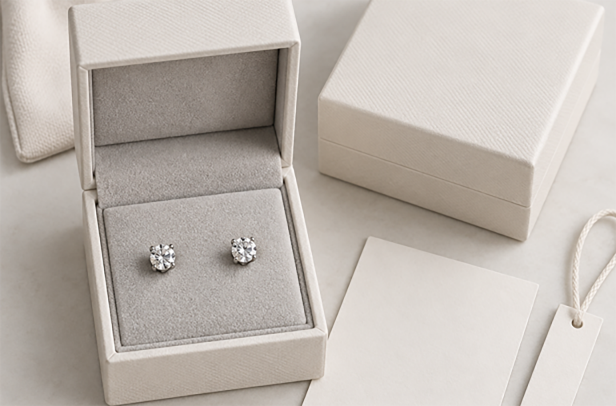
Align the approved sample with the written specification, quantity breakdown, logo artwork and packaging instructions. Confirm the delivery arrangement and any project-specific documentation. Changes after approval should be recorded and reviewed for their effect on cost and schedule, helping both teams work from the same current information.
05. Produce and Inspect
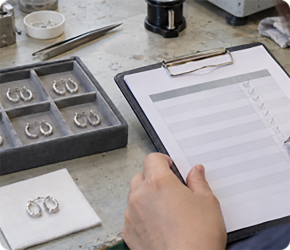
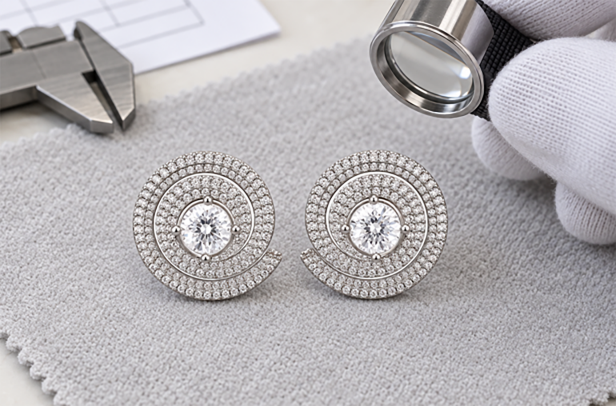
The agreed specification guides relevant production and inspection stages. Depending on the product, these may include casting, assembly, stone setting, polishing, plating and final checks. Review criteria can cover appearance, dimensions, function and packaging. Any requested independent inspection or laboratory testing should be agreed before production begins.
06. Prepare Delivery and Reorders
Confirm the packing list and shipment instructions against your order. For repeat orders, reference the approved product version and identify changes in quantity, finish or packaging. Material availability and the delivery schedule should be reconfirmed for each order. This creates a practical basis for replenishing established styles and developing related pieces.
Support for Different
Wholesale Business Models
Wholesale businesses manage different assortment sizes, sales channels and approval structures. We begin by understanding how your team buys and how your customers select products. That context helps shape the design brief, quantity breakdown and packaging discussion without assuming that every buyer needs the same range or order structure.
Distributors and Wholesalers
As a jewelry manufacturer for distributors, we understand the value of a recognizable collection and manageable product references across retail accounts. We can discuss core styles, complementary pieces and planned additions as one assortment. Tell us which products need ongoing availability and which are intended for a defined selling period, so those expectations can be addressed during planning.
Retail Groups and Buying Teams
Multi-store buyers often need a clear size assortment, coordinated presentation and consistent information across purchase orders. Share your allocation needs and packaging requirements early. We can review them alongside the product specification, including where store-specific labels or separate packing instructions may be required and how those requirements affect the order.
Private Label Brands
A brand building its own wholesale collection needs recognizable design details and considered presentation. We discuss product identity, logo application and packaging as connected decisions. You can bring an established collection language or a new direction for development, with the selected approach reviewed against your intended market and commercial scope.
Online Sellers and Sourcing Partners
For online sellers, product dimensions, finish descriptions and variant references help keep listings consistent with the approved goods. Sourcing partners may also need a structured approval trail for their clients. Let us know who approves each stage and what product information is required, so responsibilities are clear before sampling and production.
Build a Coordinated
Jewelry Collection
Coordinated jewelry collections for wholesalers can begin with one category or develop around a shared design idea across several product families. We consider scale, wearability and construction for each piece, so a matching collection feels related while remaining suitable for the way each item is worn. Product examples should guide the brief rather than limit your development options.
Rings
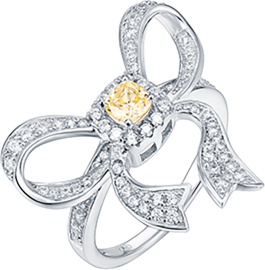
Begin with your ring references: band profiles, setting styles and stone layouts that anchor the collection. We review how each design scales across sizes, how settings affect comfort, and which details should stay consistent when the range extends to new styles.
Earrings
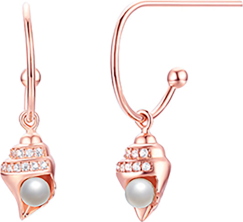
Consider studs, hoops, huggies and drop earrings as individual lines or related groups. We review paired orientation, movement, post and back details, and the balance between visual impact and wearing weight. A consistent finish and carefully resolved proportions help the range work across different designs without losing its collection identity.
Necklaces
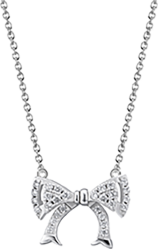
A necklace brief should cover the pendant, chain and closure as one product. Share your preferred length, extension, chain style and logo details. For layered or coordinated ranges, we review how the individual pieces sit together and identify dimensions that need to remain consistent through sampling and production.
Bracelets and Bangles
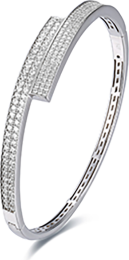
Chain bracelets, cuffs, bangles and tennis bracelet concepts require attention to wrist fit and movement. Closure design, link articulation and any safety connection belong in the specification. Where stones are used, their alignment and setting structure should be reviewed alongside comfort and the overall proportions of the finished piece.
Coordinated Sets
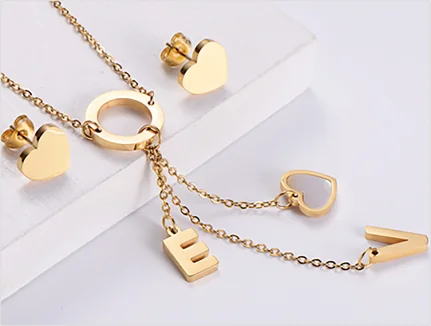
Extend a selected motif into matching earrings, pendants, rings or bracelets. We adapt the proportions and construction to each category instead of relying on one unchanged component throughout. Discuss whether pieces will be sold individually or together, because that choice influences product references, packaging and the quantity balance across the range.
Men's Jewelry
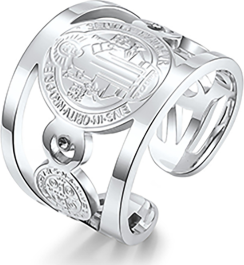
Explore signet rings, pendants and bracelets with a considered approach to scale, weight and surface character. A brushed finish, polished edge or contrasting stone can define the collection, but functional details remain equally relevant. We review sizing and closures with the same care as the visible design language.
Specify the Materials and Details
That Define Your Range
The appearance of a sample depends on several connected choices. Metal, stone, setting, finish and branding should therefore be reviewed as one specification. We help you discuss those choices in relation to the design and target market, with the final material and process scope confirmed for your project.
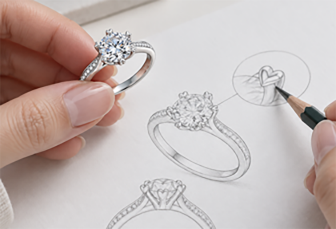
01. Metal Selection
Discuss sterling silver, gold or copper-based options according to your intended product position. The selected alloy, dimensions and construction affect the weight, finish and manufacturing approach. Where a particular metal description or mark is required, agree the supporting specification and documentation before production. A silver-colored surface should never be used as the only basis for describing a product as sterling silver.

02. Stones and Pearls
We can discuss cubic zirconia, moissanite, laboratory-grown stones and pearl options in relation to the selected design. Review stone size, cut, color and matching expectations during sampling. Keep material descriptions precise in your product information, and identify any requested grading or testing documentation in the brief rather than assuming it is included with every stone or order.

03. Setting and Surface Finish
Prong, bezel and pavé directions create different visual effects and construction requirements. Polished, brushed and plated surfaces should be assessed on a representative sample. Confirm the selected color, surface texture and any specified coating requirements together. Performance claims and test expectations need a defined basis, especially when a collection is intended for different sales markets.
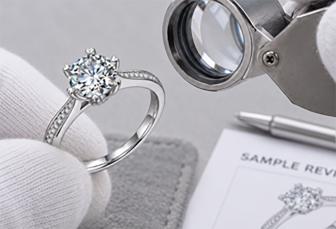
04. Branding and Packaging
Jewelry logo engraving and packaging help define the product presentation. Display cards, pouches and boxes can be considered alongside the selected styles. Share approved artwork and discuss placement, scale, color and packing needs before production. Packaging should fit the jewelry securely and reflect the intended retail experience. Any separate packaging minimums, artwork requirements or additional costs belong in the agreed commercial scope.
Control the Details That Matter
Beyond the First Order
A manufacturing relationship becomes more useful when the approved product is clearly defined and changes remain visible. We focus the discussion on the details your team needs to evaluate, approve and reorder. This gives procurement, design and quality colleagues a shared reference throughout the project.
A Clear Approval Reference
The approved sample and written requirements should identify the product version being ordered. Dimensions, finish, stone details and branding are reviewed together. This reduces ambiguity when different team members compare a new batch with an earlier order and provides a practical reference for any proposed change.
Checks Matched to the Product
Inspection priorities vary by construction. An earring hinge, a bracelet clasp and a ring setting need different functional attention. We discuss relevant workmanship and appearance criteria for the selected products, together with any sampling or independent inspection requirements agreed for the order.
Changes Reviewed Before Release
A revised finish, replacement component or new packaging instruction can affect more than appearance. We encourage buyers to identify changes against the relevant product reference and review their implications before release. Clear decisions help the workshop and packing team follow the same current requirements.
Replenishment with Defined References
For established styles, repeat orders can begin from the approved reference rather than an incomplete description. Reconfirm quantities, material availability and the intended delivery window each time. If your sales feedback suggests an improvement, discuss it as a controlled revision so the relationship between the original and updated product remains clear.
Frequently Asked Questions
Common questions from brands, retailers and wholesale buyers
developing a
wholesale jewelry collection with a manufacturing partner.
Minimum order requirements depend on the design, material, components, finish and production approach. Share the estimated quantity per style, size and color so we can review a suitable order structure. A mixed assortment does not automatically remove individual production minimums. The confirmed quotation should state which requirements apply to the selected products and any separate packaging items.
Sampling can be discussed before you commit to a production order. Depending on the project, this may involve adapting a reference, developing CAD or producing a physical sample. Confirm sample costs, revision scope and the approval process before work begins. The approved sample should then be read together with the written production specification.
Yes. You can share sketches, CAD files, technical information or reference samples for review. We discuss manufacturability and any details that need clarification before confirming the approach. Provide the material, dimensions and finish requirements when available. If confidentiality or design ownership terms are required, agree them before sharing sensitive project information.
We can review a mixed-style request, including the quantity for each design, size and finish. Feasibility depends on the production requirements of those items. Some components or processes may have separate minimums, and packaging may follow its own order requirements. An assortment list helps us explain the available combinations and quote the scope clearly.
Timing is reviewed against design complexity, material availability, sample revisions, order quantity and packaging. Share your required delivery window at the beginning of the discussion. Sampling and bulk production should have separate schedules, with the production plan confirmed after the relevant approvals. Any later specification change may require the schedule to be reviewed again.
We can discuss logo engraving and packaging options for your selected products. Send approved artwork and describe the intended presentation, including boxes, pouches, cards or care information. Placement and proportions should be checked during sampling. Final availability, minimum quantities, artwork requirements and costs are confirmed as part of the project scope.
Quality control for wholesale jewelry orders begins with the approved reference and written requirements, which provide the basis for discussing inspection criteria. Relevant checks can cover dimensions, visible finish, stone placement, assembly, closures, branding and packaging. If you require a particular sampling plan, independent inspection or test report, raise it before production. The agreed inspection scope should be clear to both teams.