
Your creative direction.
A practical route to production.
Jewelry manufacturing for designers starts with understanding what makes a piece yours. A distinctive profile, the relationship between stones or a particular surface can carry the identity of an entire collection. We discuss those priorities before proposing construction changes, so practical decisions support the character you want to preserve.
Develop an original concept
Our custom jewelry development service can begin with hand sketches, annotated references or a written brief. Tell us which details are essential and where you welcome technical input. We review proportion, structure, material choices and the intended wearing experience, then agree a development scope. References help explain an aesthetic; the project should establish an original design direction and the authority to use any supplied artwork.
Refine a production design
If you already have CAD files or a physical sample, our discussion begins with the details needed for manufacturing. Wall sections, setting access, joints, closures and finishing allowances may require further review. We explain proposed changes for your approval and identify the drawings, sample checks and specifications needed before the design progresses. An attractive rendering is a useful communication tool, but it does not replace evaluating the finished sample.
A clear process,
with room for refinement.
A successful jewelry design to production process makes decisions visible. We organize the work around agreed review points, with your feedback informing the next stage. The sequence and schedule depend on the design, materials and development work required; we confirm them for your project before proceeding.
01. Share the design brief
Send the sketches or references you have, together with the product category, intended materials, target market and approximate quantity. Add key dimensions, preferred stone sizes, a budget range and your intended launch date where known. Explain the visual details you want to protect. If confidentiality is important, discuss the necessary arrangements before sending sensitive design files.
02. Review feasibility and scope
We examine how the proposed piece could be made and identify questions that need a decision. These may concern metal weight, stone availability, a moving connection or the relationship between finish and construction. We discuss alternatives in relation to your priorities, then define the development work, quotation assumptions and information needed to move forward.
03. Develop and review the CAD
Jewelry CAD development turns the agreed concept into a model that can be discussed in detail. Review the dimensions, views, stone positions and construction features against your brief. Consolidated, annotated feedback helps us understand each requested revision. The approved CAD version becomes a reference for the next stage, while physical qualities still need sample evaluation.
04. Evaluate a physical sample
Jewelry prototyping and sampling let you assess scale, balance, comfort, surface detail and assembly in a tangible form. Depending on the project, an early model may answer a shape question before a finished material sample is produced. We agree what each sample represents, which checks it supports and any differences from the intended production specification.
05. Confirm the production specification
Record the accepted material, dimensions, stone details, finish, markings, packaging and inspection criteria. Resolve sample comments and confirm any revised cost or schedule before production authorization. A dated approval and a clearly identified sample help both teams refer to the same standard. Changes requested later should be reviewed for their effect on the order.
06. Manufacture and review for delivery
Production follows the agreed specification, with checks relevant to the piece and its construction. Final review can address appearance, dimensions, stone setting, closures and the specified presentation. We discuss packing and shipment arrangements for the order. For repeat production, confirm the current specification and review any proposed material or component changes before a new run begins.
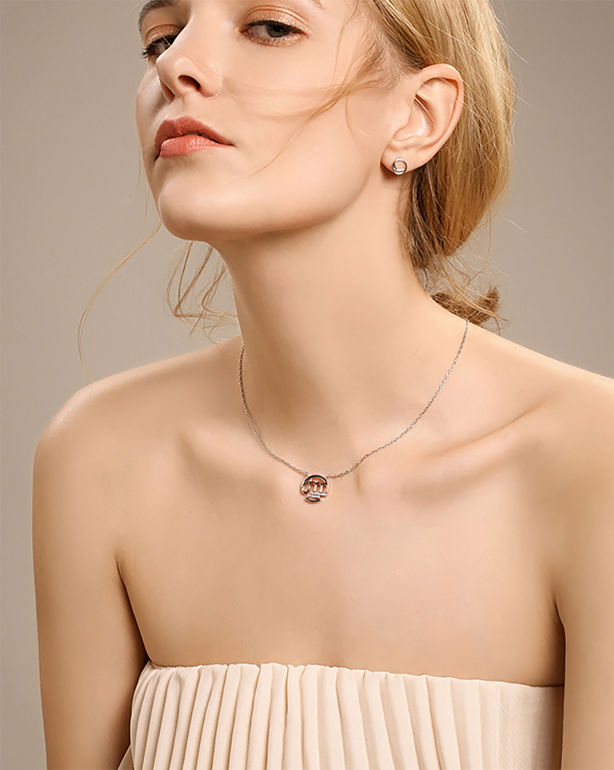
Three briefs.
Three development priorities.
The following illustrative project scenarios show how a designer brief can shape development. They describe possible approaches, not completed client case studies or measured results. We would define the actual scope and deliverables around your own design.
Preserving a signature ring detail
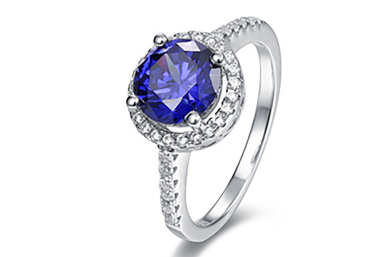
Preserving a signature ring detail
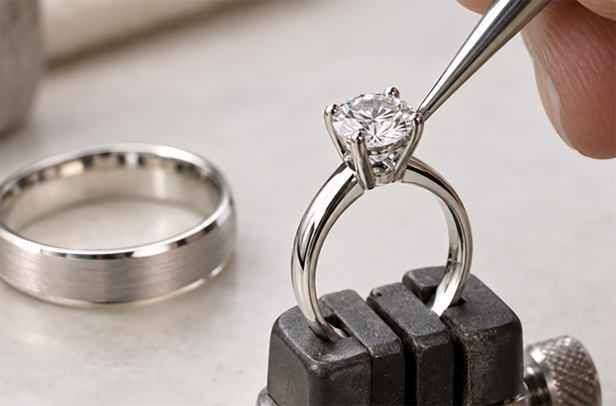
A designer wants a distinctive prong profile to remain visible around a round center stone. The review would examine the profile alongside stone support, setting access and the transition into the shoulders. CAD views and a physical sample would provide complementary references for confirming the intended detail before production.
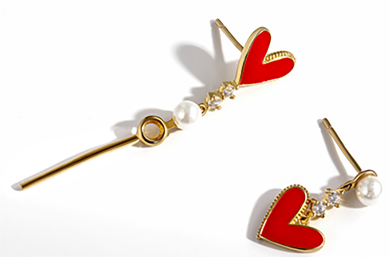
Translating a motif into earrings
A studio develops a pendant motif into a related pair of earrings. The brief would establish which visual features must remain consistent, then review scale, orientation, weight and attachment separately. The sample review would focus on how the pair sits and moves, alongside its relationship to the original collection.
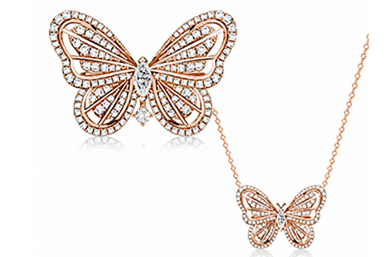
Building a coordinated capsule
A creative team plans a necklace, bracelet and ring around one stone palette. Development would identify shared references for color and finish while documenting each construction individually. A collection review would compare the pieces together before the team approves product specifications and the presentation details for the intended launch.
The character is in the details.
Material selection connects the appearance of your collection with its construction, intended use and cost. We discuss the available options for each design and define the specification before sampling. Product descriptions and any material claims should reflect the materials actually approved for the order.
01. Metal and construction
Sterling silver jewelry manufacturing can support a range of sculptural forms and stone-set designs. Gold and copper-based options may suit other project directions, subject to review. Specify the intended alloy, color and finish together with the construction requirements. We discuss how these choices affect weight, detail and the sampling approach before confirming availability and price.
02. Stones and proportion
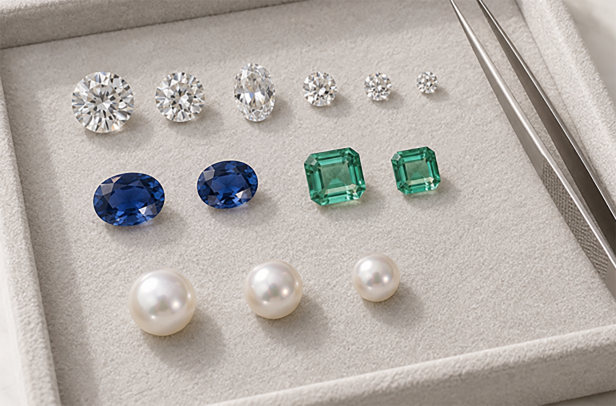
Stone selection involves size, shape, color and the relationship between matched pieces. Options to discuss include cubic zirconia, moissanite, lab-grown gemstones and pearls where suitable. Establish the intended stone identity and any sourcing or documentation requirements before approval. The setting must be reviewed against the actual stone specification, not only the appearance of a reference image.
03. Setting and surface
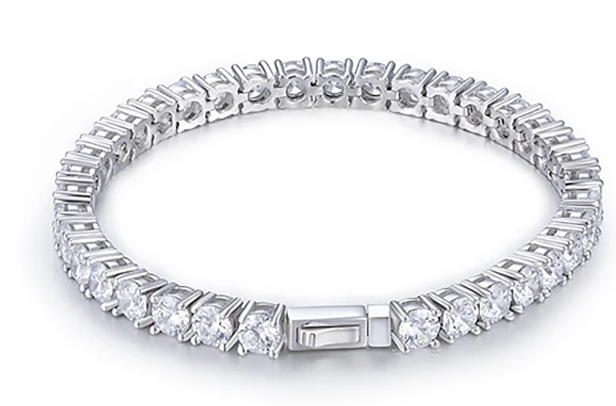
A prong, bezel or pavé setting changes both the character and construction of a piece. Our design review considers support for the selected stones and access for setting and finishing. Define polished, brushed or textured areas with clear references. For plated jewelry, agree the base metal, intended color, coating specification and sample standard together.
Brand Details and Packaging
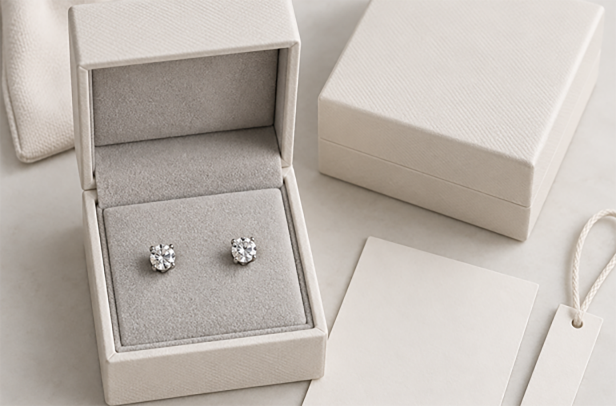
Custom logo jewelry engraving works best when it is planned into the design. We consider available space, legibility and the effect of engraving on small or curved surfaces. Custom jewelry packaging should also be discussed early, including product fit, presentation, labeling and the protective requirements of transport. Logo artwork, placement and final packaging samples need clear approval before they are used for an order.
Your next collection could start here.
The following illustrative development scenarios show how we would approach different collection briefs. They are examples of project planning, not reports of completed customer projects.
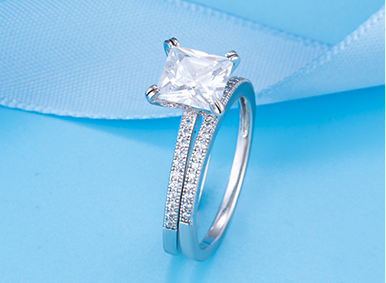
Rings
Custom ring development considers the profile, finger size, stone setting and the transition between the shoulders and shank. Review how the design feels on the hand and how its proportions change across the required size range.
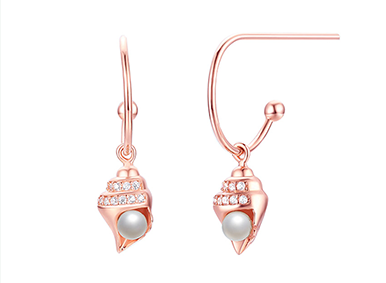
Earrings
Custom earring manufacturing brings balance and orientation into the design review. Studs, hoops and drops each need appropriate attachments and closure details. A sample helps assess paired alignment, movement and the relationship between visual scale and weight.
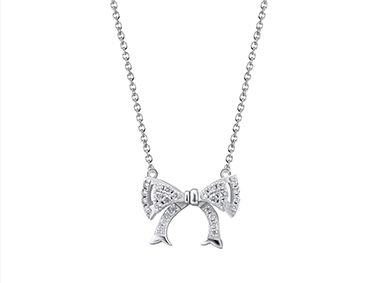
Necklaces
For designer necklace production, chain style, length, connections and clasp choice contribute to the overall result. We discuss how the piece sits when worn and how decorative elements interact with the structure supporting them.
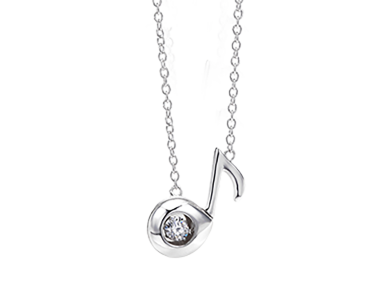
Pendants and charms
Custom pendant development focuses on the visibility of a motif and its attachment. Bail dimensions, stone placement, edge finish and the reverse surface deserve attention, particularly when a small detail carries the identity of the collection.
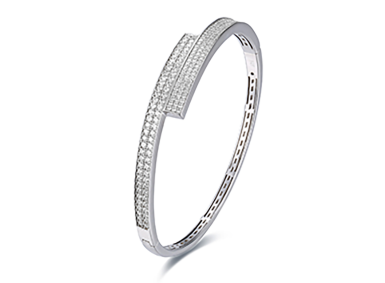
Bracelets
Bracelet design requires a considered relationship between fit, flexibility and fastening. Linked pieces, bangles and stone-set constructions have different development needs. We review the proposed structure and agree the sample checks relevant to everyday movement.
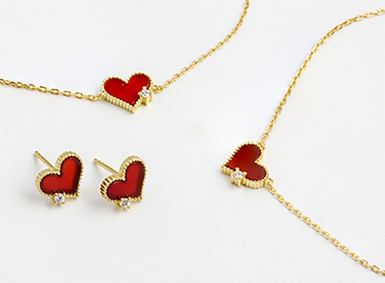
Coordinated collections
Develop related pieces around a shared motif, stone palette or surface treatment. We assess each item individually rather than simply scaling one form, so a coherent collection can also respond to the wearing requirements of each category.
A working relationship built around the details.
Our role is to connect your creative decisions with a manufacturing plan you can review. Clear communication matters at every stage, especially when a small adjustment can change the identity, comfort or cost of a piece.
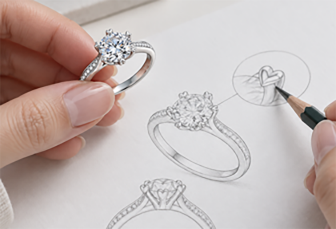
01. Design intent stays visible
We ask which elements define the design before discussing technical alternatives. Keeping those priorities in the brief helps both teams evaluate revisions against the same creative objective, instead of allowing small changes to accumulate without context.
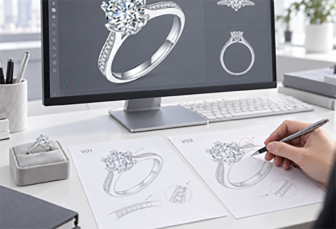
02. Decisions have a reference
Annotated drawings, identified CAD versions and agreed sample comments create a practical reference for development. We encourage consolidated feedback and clear approvals so the project moves forward with fewer assumptions about what has been accepted.
03. Commercial details are discussed early
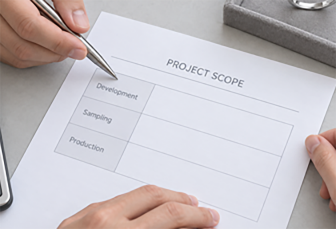
Development charges, sample costs, order quantities and production assumptions influence design decisions. We discuss these for the actual project and identify what remains subject to confirmation. You can evaluate proposed options with their practical implications in view.
04. Quality relates to your specification
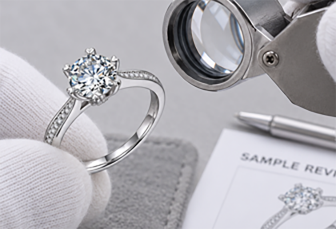
Inspection should address the details that matter to the approved piece. We discuss relevant appearance, assembly and functional checks, and clarify any additional testing requirements before the order. A general quality statement cannot replace a defined acceptance standard.
Frequently Asked Questions
Common questions from brands, retailers and wholesale buyers
developing their custom
jewelry collections with a manufacturing partner.
Yes, sketches can provide a starting point for review. Include the intended dimensions, material preferences and notes explaining details that a drawing may not fully communicate. We assess what further development is needed and discuss the appropriate CAD and sampling stages. A sketch alone does not establish every specification required for production.
No. We can discuss jewelry development from an earlier concept and agree whether CAD support forms part of the scope. If you already have a model, share the file type and available drawings first so compatibility and technical review requirements can be checked. Include key measurements and identify the current approved version.
The minimum order quantity for custom jewelry depends on the design, material components, finish and production requirements. Quantities may also differ between styles or color variations. Share your planned assortment and estimated quantities so we can review the project. We confirm the applicable minimums in the quotation rather than applying one published number to every type of jewelry.
Raise confidentiality requirements before sharing sensitive material. The project discussion should address permitted file access, ownership of supplied artwork and newly developed files, tooling arrangements and any requested exclusivity. These points need agreed written terms for the particular collaboration. Do not assume that a quotation alone establishes an exclusivity or intellectual property arrangement.
Custom jewelry manufacturing cost is influenced by the selected metal, stone specification, construction, finishing, order quantity and development work. Packaging and any agreed testing can add separate requirements. We recommend comparing quotations against the same product specification. If you have a target cost range, share it early so we can discuss which design choices may affect it.
We can review a focused collection or an initial production proposal. Minimum order quantities depend on the style, materials, construction and sourcing requirements, so there is no universal quantity stated here. Share quantities by design and explain your launch plan. We can then discuss project feasibility and the assumptions behind a quotation.
Sampling charges depend on the development work, materials, tooling and sample type. Before proceeding, confirm which deliverables and revision stages the quotation includes. Additional designs or changes to an approved direction may affect cost and timing. Consolidated feedback helps distinguish a refinement within the agreed scope from a new development request.