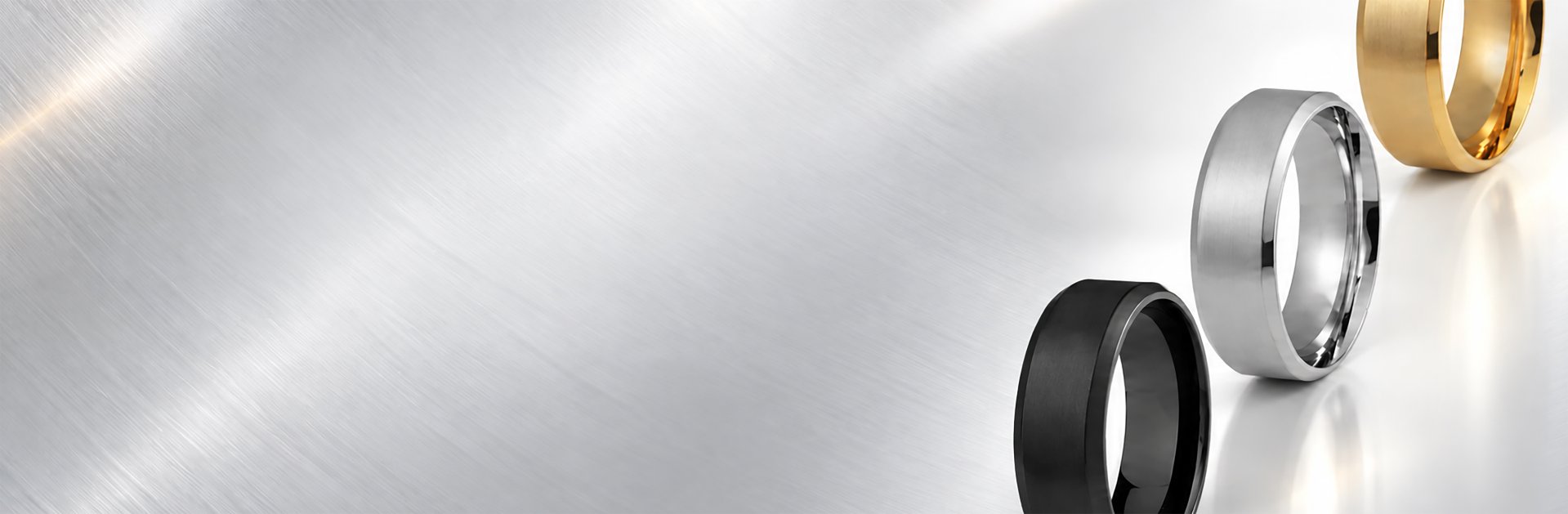
Custom Colors
Gold · Rose Gold · Rhodium · Silver · PVD
Micron Control
Thickness developed around project requirements
Multiple Base Metals
Brass · 925 Sterling Silver · Stainless Steel
OEM / ODM Support
Sampling, approval, bulk production and QC
Professional Jewelry Plating for
Custom Production
Plating is more than adding a surface color to jewelry. It is a controlled finishing process that affects appearance, touch, resistance to oxidation and the overall presentation of the finished piece.
For custom jewelry production, the final result depends not only on the plating bath itself, but also on polishing quality, cleaning, surface activation, undercoating, plating thickness, rinsing, protective finishing and inspection. A beautiful color cannot compensate for poor preparation underneath it. That is why our jewelry plating service is managed as a complete surface-finishing workflow rather than a single electroplating step.
We support custom jewelry plating for brands, wholesalers and private-label projects across brass, sterling silver and stainless steel jewelry. Plating specifications are adjusted to the product design, base metal and target market, and colors can be matched against approved samples, production references or reference photos to help maintain a consistent collection identity.
Built for brand consistency
From development samples to repeat orders, we focus on reproducing the approved surface tone, brightness and finish across multiple SKUs.
- Color sample and finish approval
- Base-metal specific undercoating
- Defined plating thickness where required
- Anti-tarnish / protective finishing options
- Final color and surface inspection
Choose the Surface Finish
for Your Collection
Different metals, colors and coating routes create different visual effects and performance characteristics. The final specification is confirmed during sampling before bulk production.
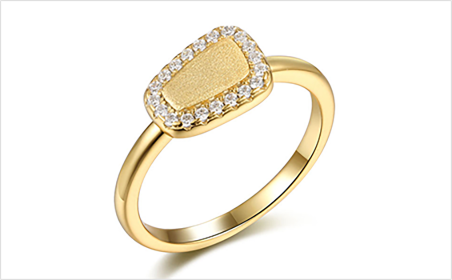
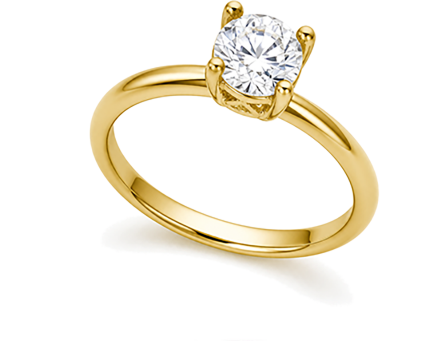
Gold Plating
Develop light gold, rich yellow gold or approved 14K / 18K / 24K-style color references. Base metal, underlayer, bath chemistry and process settings all influence the final tone and brightness.
View Option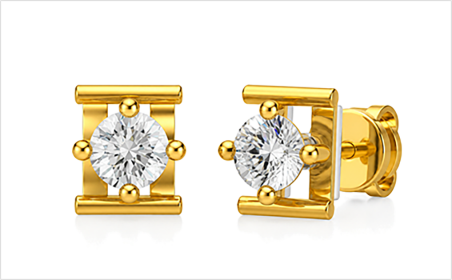
Rose Gold Plating
From subtle champagne-pink to warmer rose tones, rose gold plating creates a softer contemporary finish. Production is compared against an approved reference to improve batch consistency.
View Option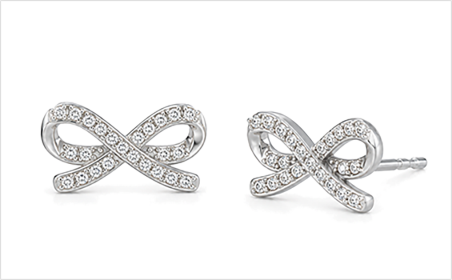
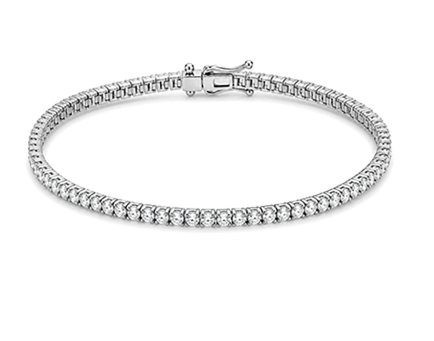
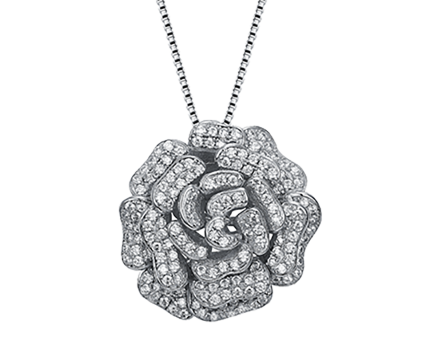
White Rhodium
Selected for a bright, cool silver-white appearance. Because rhodium is highly reflective, polishing and surface preparation are especially important to maintain a clean premium look.
View OptionJewelry Electroplating
Process
A stable plating result starts long before a piece enters the final plating bath. The sequence below shows the main stages used in professional jewelry electroplating. Exact chemistry and timing are adjusted for the base metal, stone setting and required finish.
1.Product Review & Finish Specification
Before plating starts, we review the jewelry design, base metal, stones, soldering points, surface texture and target color. The team confirms whether the piece requires a mirror-polished, satin, brushed or mixed finish and whether the final look is gold, rose gold, silver, white rhodium, black rhodium or another approved color. Plating thickness, protective coating and testing requirements should also be defined before bulk production so the finishing standard is clear.
2.Mechanical Polishing & Surface Preparation
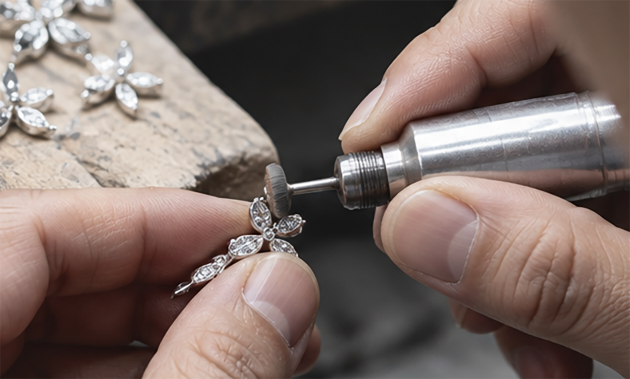
Plating follows the condition of the surface underneath it, so polishing is critical. Cast marks, tool marks, rough edges, small scratches and uneven solder areas are corrected before electroplating. Depending on the design, the process may use grinding, buffing, tumbling, magnetic polishing or hand polishing. High-polish jewelry needs a smooth reflective base, while matte or brushed jewelry needs a controlled texture. Stone-set pieces require careful handling around prongs and settings.
3.Degreasing & Ultrasonic Cleaning
After polishing, jewelry can carry polishing compound, oil, fingerprints and residues. These contaminants may cause peeling, pinholes, dark spots or uneven color. Pieces are cleaned using suitable degreasing and ultrasonic processes. Ultrasonic agitation helps remove residue from chain links, settings, recesses and detailed areas that are difficult to clean manually. Clean handling after this stage is essential because re-contamination can reduce adhesion.
4.Rinsing & Surface Activation
The cleaned piece is thoroughly rinsed and activated using a process suitable for the base material. Activation removes light oxide films and prepares the metal for bonding with the next layer. Brass, silver and stainless steel require different chemistry and timing. Over-treatment may damage details, while insufficient activation can weaken adhesion. Controlled rinsing between stages also helps prevent one chemical bath from contaminating another.
5.Strike & Barrier Layers
Many jewelry plating systems use a thin strike or undercoat to improve adhesion and create a stable foundation for the decorative finish. A barrier layer can also help isolate the base metal, improve brightness and reduce copper migration from brass or other copper-containing alloys. The exact underlayer depends on the substrate, required color, market specification and nickel restrictions. For nickel-free jewelry plating, an alternative barrier system must be selected.
6.Final Decorative Electroplating
The decorative layer is applied in a controlled bath to reach the target color and thickness. Current density, bath chemistry, temperature, immersion time and part movement are monitored so the tone and coverage stay consistent across the batch. Where a heavier or more wear-resistant layer is required, the plating time and layer stack are adjusted, and the pieces are compared against the approved color sample during production.
7.Post-Plating Rinsing & Neutralization
After plating, residual salts and chemicals are removed through staged rinsing and neutralization. This step protects the fresh deposit from staining and water marks and helps prevent drag-out between baths. Delicate surfaces, recessed areas and stone-set pieces are handled carefully so the new color is not marked during transfer.
8.Protective Coating & Sealing
Where the product and target market require it, we apply an anti-tarnish or protective coating to slow oxidation and improve resistance to daily contact. The coating is selected to suit the base metal, plating color and stone type, and is kept thin so it does not change the intended finish. E-coating and similar options are reviewed against the wear requirements of the collection.
9.Drying, Curing & Stabilization
Jewelry is dried carefully to avoid water spots or chemical residue. If a protective coating is used, the pieces are cured under controlled temperature and time so the coating forms a stable film. Stone-set products, adhesives and delicate components require suitable curing conditions. After curing, the jewelry is allowed to cool and stabilize before final inspection.
10.Final QC & Color Approval
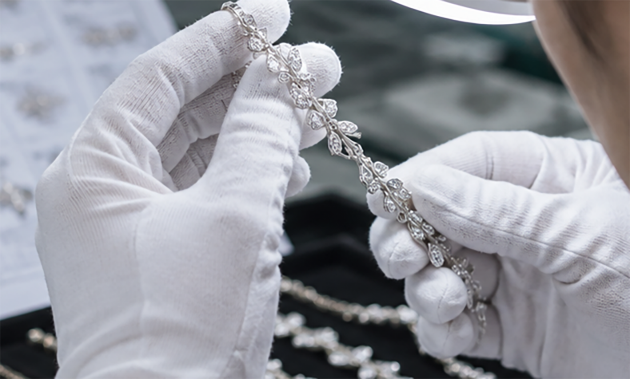
Finished jewelry is checked under consistent lighting and compared with the approved color standard. Inspectors review visible surfaces, edges, recesses, joints, clasps and areas around stones. The finish should be even without obvious discoloration, peeling, exposed base metal, stains or unwanted roughness. For bulk orders, color consistency is monitored between batches so necklaces, earrings, bracelets and rings within the same collection maintain a coordinated appearance.
Custom Plating Thickness for
Different Jewelry Types
Jewelry plating thickness should be specified according to how the piece will be used. Rings and bracelets normally receive more rubbing and skin contact than pendants or earrings, while sharp edges and raised surfaces can wear faster than protected recesses.
A thicker decorative layer may improve service life, but thickness alone does not determine quality. Adhesion, undercoat, porosity, polishing, protective coating and customer care all influence performance. We can develop plating specifications around customer requirements and approved samples, including micron-based gold plating when technically suitable.
Important: exact micron values should only be stated in the final product specification when they can be verified and controlled for the project.
Example micron-based gold plating reference. Final specification depends on the product and approved sample.
Used as a common project reference where a heavier decorative layer is requested and technically suitable.
Thickness, protective finishing and testing can be discussed around your target market and wear requirements.
Plating Routes Adapted to the Jewelry Substrate
Each metal requires different preparation and undercoating. We review the substrate before choosing the finishing route.
Brass Jewelry
Brass often needs a suitable barrier system before decorative plating to isolate the copper-containing base, improve brightness and support a stable final color.
925 Sterling Silver
Sterling silver requires careful cleaning and handling to preserve a clean base while protecting stone settings, fine engraving and delicate construction.
Stainless Steel
Stainless steel follows a different preparation route from conventional brass electroplating and is commonly reviewed for PVD coating projects where appropriate.
Jewelry Plating Integrated into Your Complete Production Workflow
For brands and wholesalers, plating must fit into the complete manufacturing workflow. We support custom jewelry plating as part of OEM, ODM and private-label jewelry production, from sample development and color approval to bulk manufacturing and final inspection.
Customers can provide a target plating sample, visual color reference, existing product or collection direction, and our team can develop a suitable production finish based on the metal, design and cost target. This makes the plating stage easier to control across multiple SKUs and repeat orders.
1.Sample Development
Confirm color, texture and finish route before bulk production.
2.Color Approval
Use approved references for production comparison and repeat orders.
3.Bulk Manufacturing
Coordinate plating with casting, setting, assembly and finishing schedules.
4.Final QC
Inspect surface appearance and collection-level color consistency.
Frequently Asked Questions
Common questions from brands, retailers and wholesale buyers
developing custom
jewelry plating projects.
Jewelry plating is a surface-finishing process in which a thin layer of metal is deposited over a jewelry base material. Electroplating uses electrical current in a plating solution, while PVD uses a different vacuum-based coating process.
There is no single fixed lifespan. Wear depends on plating thickness, undercoat, protective coating, jewelry type, friction, exposure to chemicals and how the piece is stored and worn.
Micron is a unit used to describe plating thickness. If a project specifies 1 micron or 2.5 microns, the production process should be controlled and verified against that requirement rather than using the term only as a marketing description.
Over time, plated jewelry can change in appearance because the decorative layer is thin and exposed to wear, moisture, sweat, cosmetics and chemicals. Proper undercoating, suitable thickness and protective finishing can improve performance.
Electroplating deposits metal ions from a liquid bath using electrical current. PVD is a vacuum deposition process that creates a coating through physical vapor deposition. They require different equipment and are selected for different materials and product goals.
Yes. Color targets and thickness specifications can be developed according to the project, base material, product type and production capability. Exact specifications should be confirmed during sampling.
Nickel-free options can be considered when the full plating system is designed accordingly. The requirement should be confirmed before sampling so the correct barrier and undercoat system can be selected.