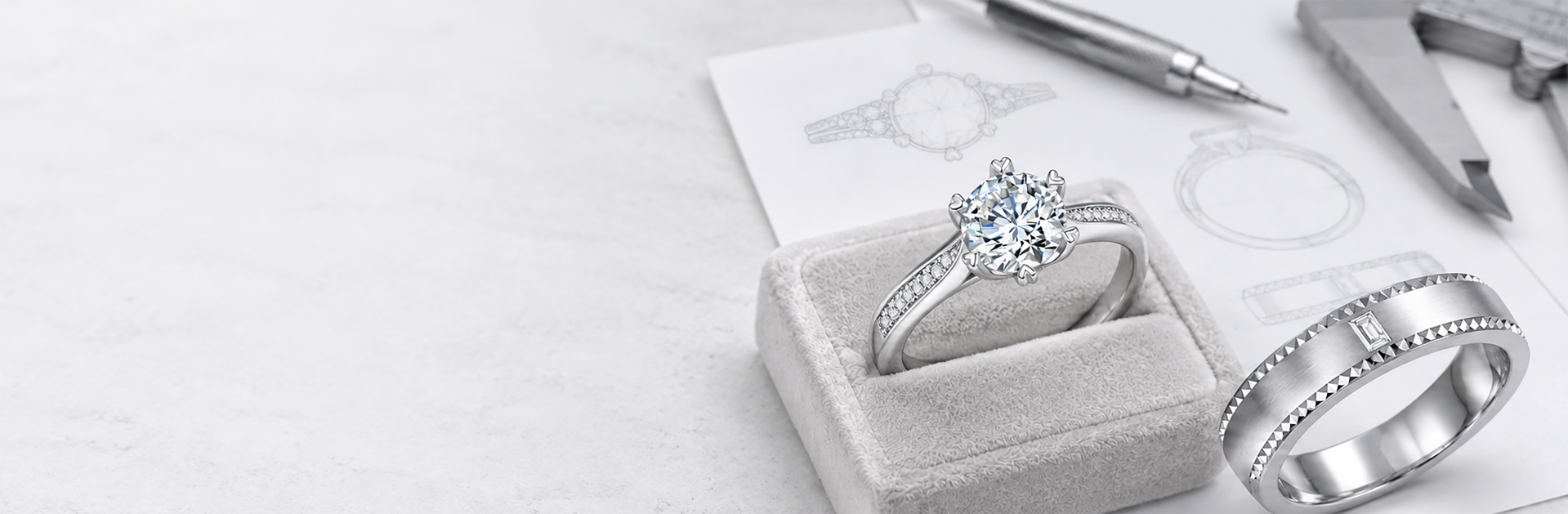
Your design identity.
Our manufacturing expertise.
Whether you are refining a signature collection, introducing a new category or looking for a jewelry manufacturer for brands with ongoing development needs, we begin with your designs, customers and commercial priorities. Share your concept with us to discuss materials, construction, sample requirements and the most practical step for your collection.
A recognizable collection depends on more than an attractive individual piece. Proportion, metal color, stone selection and finishing need to work together across the range. Our approach to custom jewelry manufacturing for brands starts with that wider view. We discuss how each design fits your collection, what customers should notice and which details must remain consistent as the range develops.
From the first sketch to
your next collection.
Jewelry collection development involves a sequence of decisions. We use the brief and approved references to keep those decisions connected, from the first discussion through to production planning. The exact sequence and timing depend on the design and the services included in your project.
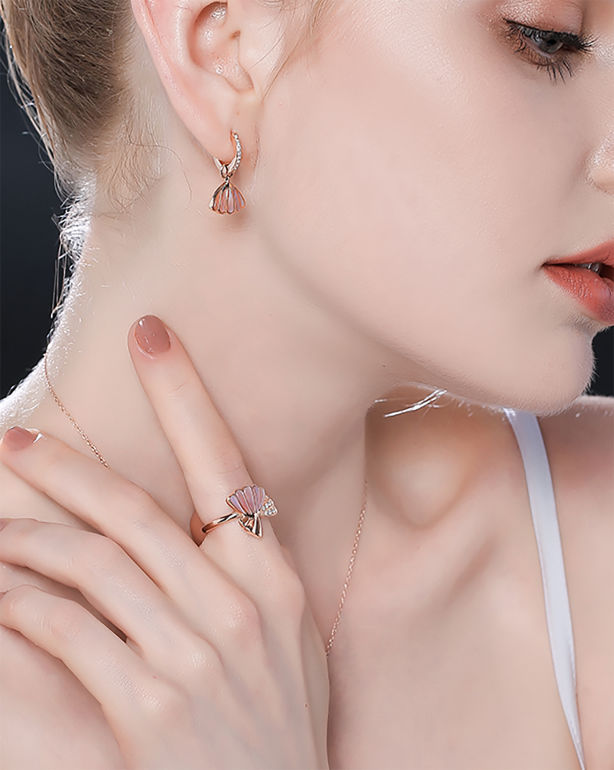
01. Define the Collection Brief
Tell us about your customer, target market, product categories, preferred materials and intended launch window. Reference images can help explain a direction, while drawings and measurements provide more precise information. We also discuss estimated quantities and your target cost range. These details allow us to identify the information needed for a useful technical review and quotation.
02. Review Design and Construction
Our jewelry CAD design services help translate agreed concepts into dimensions and construction details. At this stage, we review proportions, stone positions, connection points and features that affect comfort or assembly. We discuss proposed changes with your team before treating a revised design as approved. A rendering supports visual review; the physical sample remains important for judging the finished piece.
03. Develop and Evaluate Samples
Jewelry sample development gives your team an opportunity to assess appearance, weight, fit and finishing. We recommend reviewing closures, earring orientation, chain movement and the relationship between matching pieces. Record comments against a clearly identified sample or design version. This makes it easier to distinguish an agreed change from a preference that still needs discussion.
04. Confirm the Production Specification
Before production begins, confirm the accepted sample, materials, sizes, quantities, finish references and packaging scope. We also agree the project schedule and the inspection requirements included in the order. Changes made after approval may affect cost or timing, so revised requirements should be reviewed and recorded before they are applied.
05. Manufacture and Inspect
Production follows the agreed specification, with checks focused on the features that matter to your collection. Depending on the design, these may include dimensions, stone setting, surface appearance, assembly and closure function. Any additional laboratory testing or independent inspection should be arranged within the agreed project scope. We discuss identified issues before the order is released.
06. Prepare Delivery and Reorders
We review packing instructions, product identification and shipping requirements with your team. For subsequent orders, the approved specification provides a starting point for checking material availability, quantities and any requested changes. Jewelry production planning should be revisited for each order, particularly when your launch date or assortment has changed.
Different stages.
A shared standard.
Your manufacturing priorities change as your business develops. We shape the conversation around the stage of your collection and the decisions your team needs to make next.
01. Independent Jewelry Brands
Jewelry manufacturing for independent brands often begins with a carefully edited range. We discuss which designs should establish the collection, which details can be shared across products and where additional development is needed. Small batch jewelry manufacturing can be considered against the specific construction, material and finishing requirements of each style.
Contact Now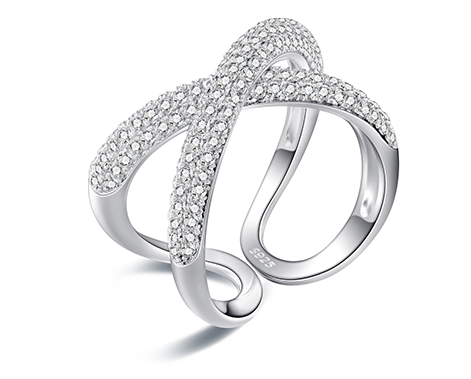
02. Established Jewelry Brands
Jewelry manufacturing for established brands may involve extending an existing design language or reviewing a new production relationship. We begin with your approved references and the features your customers already recognize. The discussion can then focus on technical consistency, new categories, inspection expectations and the practical requirements of repeat orders.
Contact Now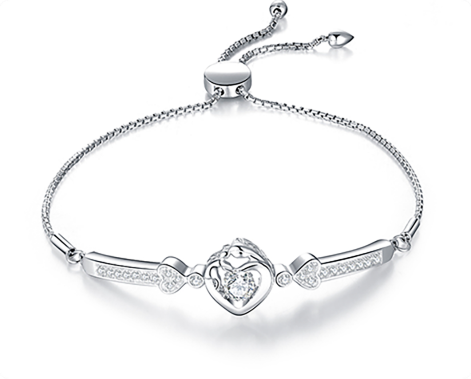
03. Designers and Creative Studios
Design teams may need a manufacturing partner who can discuss an idea in technical detail. We review how sculptural forms, unusual settings or distinctive connections could be produced and worn. Your creative direction guides the development, while sample review helps resolve features that are difficult to judge from drawings alone.
Contact Now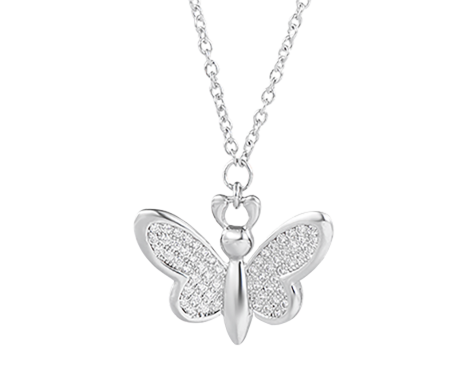
04. Retailers Developing an Own Brand
An own-brand collection needs a clear relationship with your existing assortment. We discuss customer preferences, intended price positioning and the balance between recognizable essentials and more distinctive pieces. Jewelry collection expansion can then be planned around suitable materials, packaging and product specifications for your brand.
Contact NowDistinctive pieces.
A coherent collection.
A collection feels connected when its design details carry naturally from one category to another. We review those relationships while considering the practical requirements of each product type.
Rings
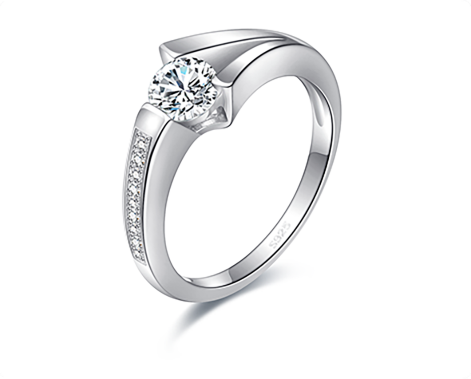
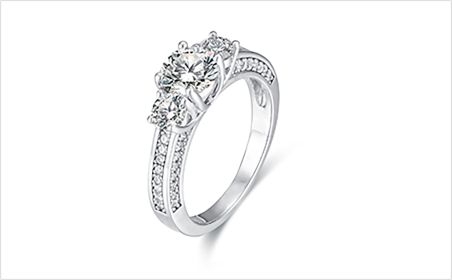
Custom ring manufacturing begins with the relationship between shape, finger size and setting construction. We discuss band width, profile, stone placement and surface details, then use samples to evaluate proportions and comfort. Size variation should be specified as part of the collection plan.
Earrings
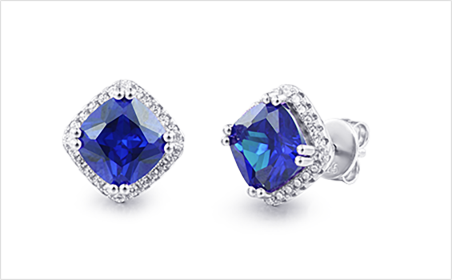
Custom earring manufacturing requires attention to weight, balance, post position and the way a pair sits when worn. Studs, hoops and drop earrings each present different construction questions. We review front and side views as well as the intended movement of the finished piece.
Necklaces
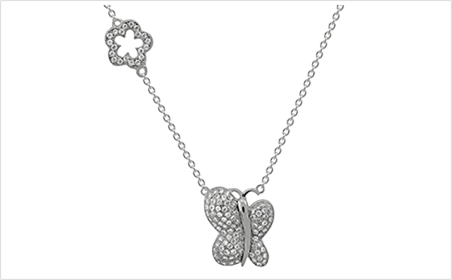
Custom necklace manufacturing brings together chain selection, length, connection points and closure function. We consider how the necklace sits against the body and how its proportions relate to other pieces in the range. Adjustable sections should be reviewed as part of the complete design.
Pendants
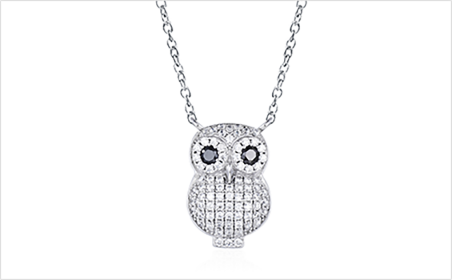
Custom pendant manufacturing focuses on the relationship between the main design and the chain or bail. We discuss the orientation of the pendant, movement during wear and the space available for engraving. Stone placement and reverse-side finishing also contribute to the final presentation.
Bracelets
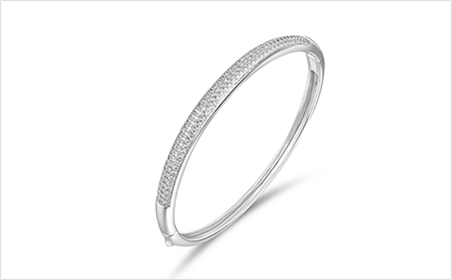
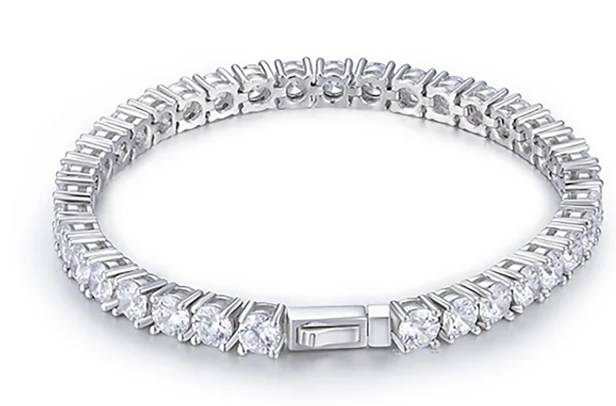
Custom bracelet manufacturing requires a considered approach to fit, flexibility and closure design. We review links, joints and adjustment details alongside the visual brief. A physical sample is especially useful for assessing how the bracelet curves and how its connections behave during use.
Coordinated Sets
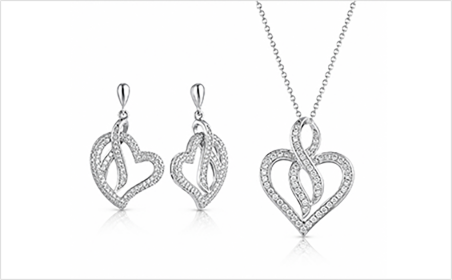
Matching jewelry sets can share a motif, stone shape, texture or metal finish without repeating the same proportions on every piece. We discuss how each category should interpret the collection's identity, with product-specific dimensions and construction details recorded separately.
Make every detail part of the design.
Material selection connects your creative direction with structure, finish and cost. We review suitable options for the proposed piece and document the agreed specification. Product descriptions and material statements should reflect the materials actually approved for the order.
01. Metal and construction
Sterling silver jewelry manufacturing can support a range of sculptural forms and stone-set designs. Gold and copper-based options may suit other project directions, subject to review. Specify the intended alloy, color and finish together with the construction requirements. We discuss how these choices affect weight, detail and the sampling approach before confirming availability and price.
02. Stones and proportion
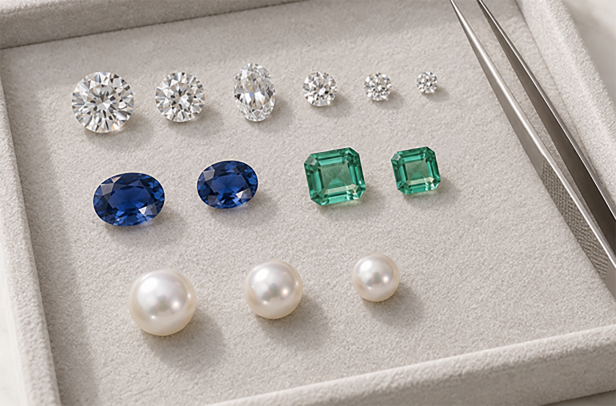
Stone selection involves size, shape, color and the relationship between matched pieces. Options to discuss include cubic zirconia, moissanite, lab-grown gemstones and pearls where suitable. Establish the intended stone identity and any sourcing or documentation requirements before approval. The setting must be reviewed against the actual stone specification, not only the appearance of a reference image.
Stone Setting and Surface Finishing
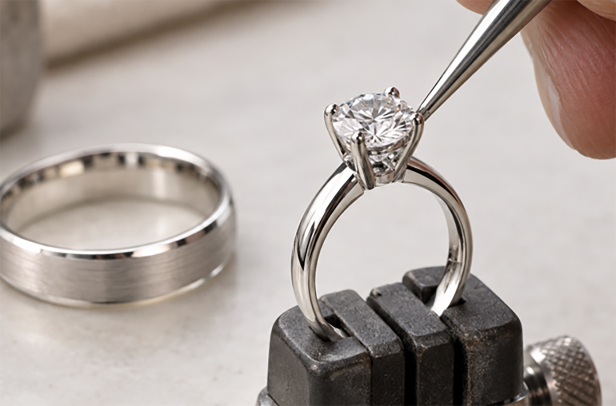
Jewelry stone setting should complement the design while providing appropriate support for the selected stones. We review setting construction alongside polishing access and the desired surface appearance. Jewelry surface finishing may involve polished, brushed or other agreed effects, depending on the material and design. Where plating is specified, the metal color, coating requirements and reference sample should be defined clearly. Appearance alone is not a substitute for a confirmed technical specification.
Brand Details and Packaging
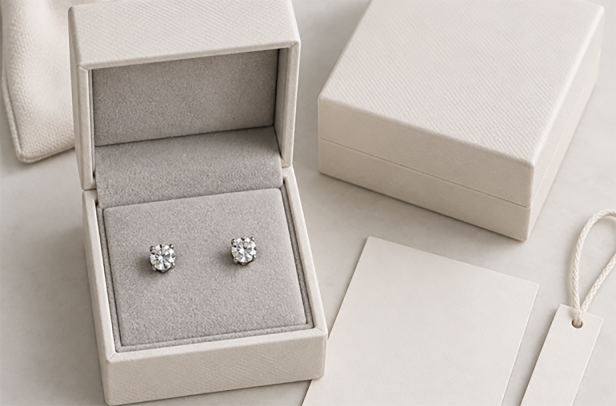
Custom logo jewelry engraving works best when it is planned into the design. We consider available space, legibility and the effect of engraving on small or curved surfaces. Custom jewelry packaging should also be discussed early, including product fit, presentation, labeling and the protective requirements of transport. Logo artwork, placement and final packaging samples need clear approval before they are used for an order.
Your next collection could start here.
The following illustrative development scenarios show how we would approach different collection briefs. They are examples of project planning, not reports of completed customer projects.
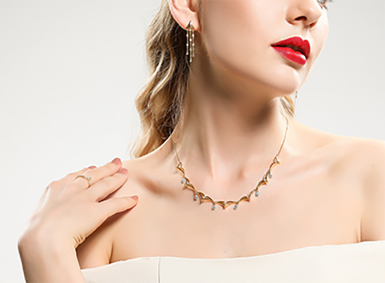
A Signature Silver Capsule
A brand may want to develop a compact range around one sculptural motif. We would review how that motif translates into a ring, pendant and pair of earrings, with attention to scale, weight and surface continuity. The sample review would focus on whether the pieces feel connected while remaining appropriate for their different uses. A shared finish reference could help guide the collection.
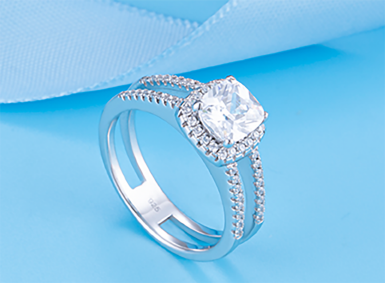
Extending a Recognizable Design
An established brand may want to extend a successful ring design into earrings or a necklace. We would begin with the approved original and identify which features define its character. The development discussion would then cover orientation, connections, setting proportions and product-specific dimensions. Each new category would need its own sample review rather than relying only on the appearance of the original.
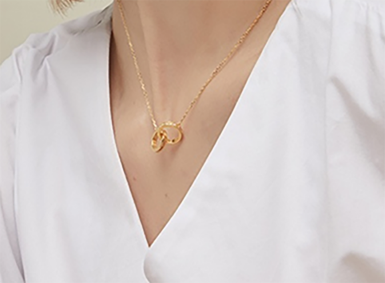
Preparing a Refined Presentation
A brand introducing a coordinated range may need the product and packaging to work together. We would discuss logo placement, product positioning inside the box, care information and the relationship between individual and set packaging. The review would consider how the pieces are presented and protected, with artwork and packing details confirmed before production. The final scope would depend on the requirements agreed for that project.
Frequently Asked Questions
Common questions from brands, retailers and wholesale buyers
developing a jewelry
collection with a manufacturing partner.
For this service, OEM jewelry manufacturing starts from your supplied design or specification. ODM jewelry development includes support in developing a design direction into a producible proposal. Projects can involve elements of both. We recommend defining the actual design work, approvals and production responsibilities in the quotation, rather than relying only on the service label.
We can discuss a project at different stages of design development. Sketches and reference images help communicate the intended direction, while dimensions, technical drawings and CAD files provide more detail. We will identify the additional information needed for review. Please share designs you own or are authorized to use, and tell us which features are essential to your brand.
The minimum order quantity for custom jewelry depends on the design, material components, finish and production requirements. Quantities may also differ between styles or color variations. Share your planned assortment and estimated quantities so we can review the project. We confirm the applicable minimums in the quotation rather than applying one published number to every type of jewelry.
Jewelry sample development time depends on design complexity, the availability of materials and the number of revisions required. Production and delivery are separate stages and should be planned accordingly. Tell us your intended launch window at the start. We can then discuss the milestones that need to be confirmed before a project schedule is agreed.
Custom jewelry manufacturing cost is influenced by the selected metal, stone specification, construction, finishing, order quantity and development work. Packaging and any agreed testing can add separate requirements. We recommend comparing quotations against the same product specification. If you have a target cost range, share it early so we can discuss which design choices may affect it.
A physical reference is more useful than a screen image when discussing metal color and surface finish. We review the reference alongside the proposed base material, production method and intended appearance. Matching feasibility and acceptance criteria should be agreed during sampling. Photography, lighting and different materials can affect how a finish appears, so sample review remains important.
We discuss inspection requirements against the approved design and intended market. These may cover dimensions, visible finish, stone setting, assembly or closure function, depending on the product. Any requested laboratory reports or independent inspections need a defined scope. Tell us about your requirements before quotation so availability, cost and timing can be reviewed with the rest of the project.