
Multi Stage
Production Inspection
Multi Stage
Production Inspection
Multi Stage
Production Inspection
Multi Stage
Production Inspection
Quality begins before production
Effective jewelry quality control starts with a clear project brief. We review drawings, CAD files, dimensions, ring sizes, target weight, stone specifications, logo placement, plating color, surface finish and packaging details before the order moves forward.
The approved sample becomes the practical reference for workmanship and appearance. Measurements and tolerances can be recorded in a custom jewelry specification sheet, giving our production and quality teams the same standard for acceptance.
For new designs, CAD and prototype review considers metal thickness, connection points, prong dimensions, stone fit, balance and wearing comfort. Potential production risks can then be addressed before materials and labor are committed to a full order, with the scope agreed as part of your order.
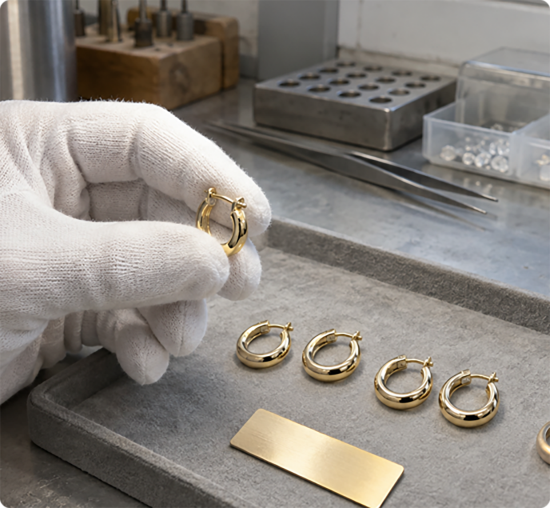
Our QC Framework
Six checkpoints
across production
Quality is verified throughout the manufacturing workflow. The exact checks are selected for the product, order risk, destination market and requirements agreed with your team.
We confirm design files, dimensions, structure, setting details, finish, logo position and packaging requirements. The approved sample and specification create a shared reference for production.
Metals, stones and components are checked against the order specification. Gemstones are reviewed for calibration, visual consistency, cut, color range and suitability for the prepared setting.
Cast parts are inspected for complete form, visible porosity, cracks, flashing and deformation. Filing, soldering, assembly, dimensions and symmetry are checked before costly finishing operations begin.
Inspectors review stone size, spacing, height, alignment and security under suitable lighting and magnification. Loose stones, damaged stones and setting marks are addressed before polishing.
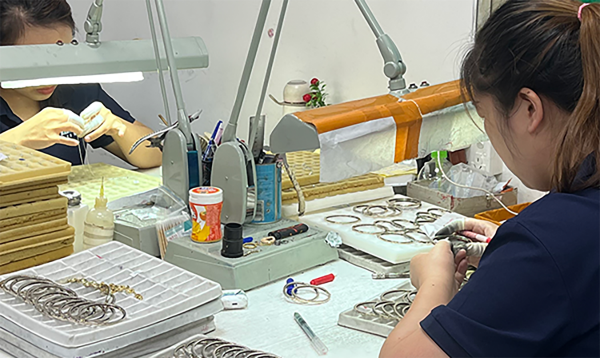
High-polish, matte, satin and brushed surfaces are compared with the approved finish. After plating, we inspect color, coverage, recessed details, edges and connection points for consistency.
The completed order is checked for workmanship, dimensions where required, stone security, finish, branding, cleanliness and function. Quantity, labels, barcodes and packaging are reviewed before release.
Polishing and plating controls
Finishing has a direct effect on perceived value. We inspect surfaces for scratches, pits, tool marks, polishing residue, sharp edges and loss of design definition before the piece moves to plating or final cleaning.
For gold, rhodium, silver and other coating options, the order should define the base metal, color target and any agreed thickness or testing requirement. After plating, inspectors compare tone and coverage across visible areas and recessed details.
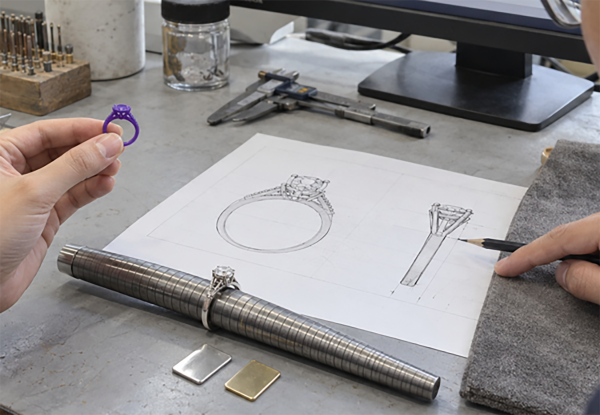
Checks matched to the design
A finished piece must look correct and work as intended. Functional and dimensional checks are selected according to the product construction and the acceptance criteria agreed for the order.
Dimensions and Weight
Ring size, chain length, bracelet length, pendant dimensions, stone position and product weight can be checked against the approved specification.
Stone Security
Prongs, bezels and channels are inspected for support, alignment and damage. Product-appropriate movement or light pressure checks may be used.
Mechanisms and Function
Clasp function, chain connections, jump rings, hinges, earring posts, backs and screw mechanisms are reviewed for secure operation.
Surface and Plating
Color, finish and coverage are compared under controlled lighting. Additional abrasion, adhesion or coating tests can be agreed when required.
Wearability and Safety
Balance, basic fit, alignment, sharp edges and small-parts security are reviewed according to the product type and intended use.
Packaging and Marking
Logo, hallmark, labels, barcodes, assortment and packaging components are checked against the approved order information.
Materials verified before they enter production
Reliable jewelry manufacturing depends on controlling the inputs as carefully as the finished piece. Our incoming inspection focuses on the materials and components that influence appearance, fit, function and repeat-order consistency.
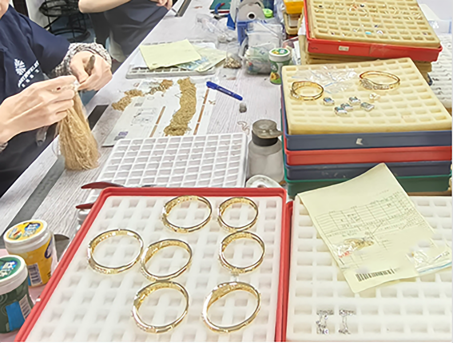
Confirming the correct material specification
The production order identifies the approved base metal or precious-metal option, color and any composition requirement supplied by the buyer. Certificates, test reports and related documents are reviewed against purchasing and production records before release to the workshop.
Where a buyer requires independent verification, metal composition testing can be arranged with a qualified third-party laboratory. Test method, sampling plan, report format and timing are agreed before the material is committed to production.
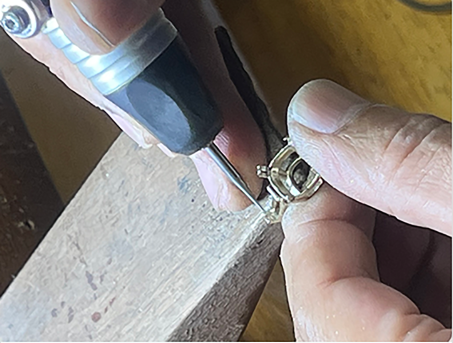
Calibration, matching and setting suitability
Natural stones, lab-grown stones and cubic zirconia each require a specification appropriate to the design and price position. We review stone dimensions, shape, cut, visible condition and the agreed color or clarity range before setting begins.
For layouts with multiple stones, calibration and visual matching are compared for consistent appearance. Stones are checked against the prepared seat so that avoidable gaps, uneven heights and excessive setting pressure can be reduced during assembly.
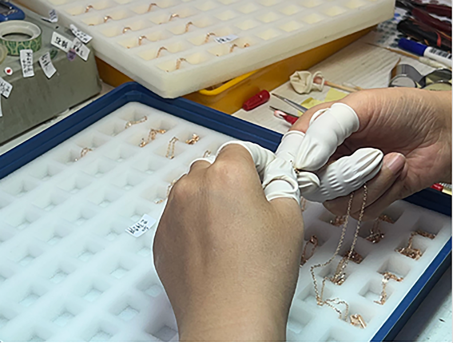
Small parts that protect product function
Clasps, chains, jump rings, earring posts, backs, hinges and threaded parts may be small, but they often determine how the customer experiences the finished jewelry. Components are checked against the specified type, size, color and compatibility with the main body.
The team also considers connection strength, movement and assembly direction before the final finishing stage. Confirming these details early helps prevent mixed findings, restricted hinges, poor alignment and clasps that do not operate smoothly.
Compliance testing and quality records
Jewelry safety and regulatory requirements vary by destination, material, product type and customer program. Identify the target market and required standard during development so the testing plan can be confirmed before production.
Depending on the project, buyers may request metal composition, nickel release, lead, cadmium or other testing. EU REACH, California Proposition 65 and CPSIA are examples of requirements that may apply to specific markets or products; the final scope must be confirmed for the order.
When independent testing is requested, the selected laboratory, test items, sample quantity, timing and cost can be included in the project plan.
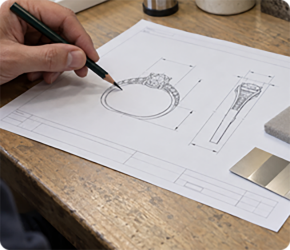
01. Approved Specification
Records the dimensions, materials, stones, finish, branding and packaging requirements.
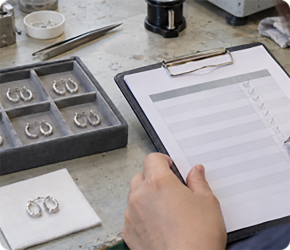
02. Inspection Checklist
Connects the agreed acceptance criteria with the relevant production and final checks.
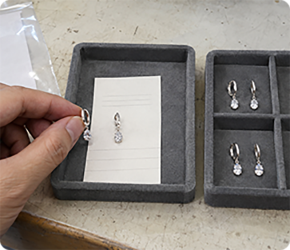
03. Third Party Reports
SGS, Intertek or another qualified laboratory can be discussed when an independent report is required.
04. Repeat Order Reference
The approved sample, specification and recorded changes support consistency across future production.
A controlled release, not just a final glance
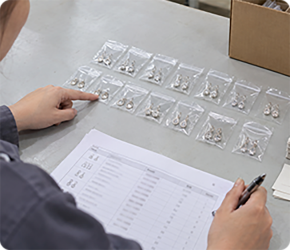
Final jewelry inspection brings the approved requirements into one release decision. Inspectors review workmanship, surface appearance, stone setting, product function, specified measurements, branding and cleanliness using the sample, order information and agreed checklist as references.
Order-level checks are also important for wholesale, retail and private-label programs. The team verifies quantities and assortments, then reviews packaging components, care cards, labels, barcode information and carton identification where these items form part of the confirmed order.
If your quality program requires an AQL sampling plan, buyer-appointed inspector or independent final random inspection, include that requirement when the order is placed. Inspection level, defect categories, acceptance limits, booking window and access to goods should be confirmed in advance.
Any nonconformity is evaluated against the approved criteria. Rework, replacement, reinspection or another disposition is then agreed as appropriate before the affected goods are released for shipment. This creates a clearer handover for purchasing teams and helps avoid decisions based only on subjective appearance.
01. Buyer Brief
Design files, materials, dimensions, finish, branding, packaging and market requirements are documented.
02. Approved Sample
The signed-off sample and written specification establish the practical standard for production.
03. Production Checkpoints
Relevant checks are completed during casting, assembly, stone setting, polishing and plating.
04. Final Inspection
Finished goods, order quantities and packing details are reviewed against the agreed criteria.
05. Shipment Release
Goods proceed after inspection results and any required corrective action have been addressed.
Frequently Asked Questions
Common questions from brands, retailers and wholesale buyers
developing a quality
control process for their jewelry orders.
Jewelry quality control checks materials, workmanship, dimensions, appearance, function and packaging against approved requirements. A complete QC process uses checkpoints during development and production, followed by final inspection before shipment.
The relevant checkpoints depend on the design and order. Quality control can cover CAD review, incoming materials, casting, metalwork, stone setting, polishing, plating, functional checks and final packing.
Inspectors review the setting under suitable lighting and magnification, checking prongs or bezels, alignment, spacing and visible damage. The exact movement or pressure method depends on the stone, setting style and approved requirement.
Third-party testing can be discussed when required. Send the destination market, material details and customer standard so the test items, laboratory, sample quantity, timing and cost can be confirmed.
Yes. You can provide a specification sheet, QC checklist, defect classification, approved sample requirements or supplier quality agreement. We will review any item that needs a measurable tolerance or test method.
Yes. Sample approval is an important reference for custom jewelry manufacturing. Your team can review the design, dimensions, stones, finish, branding and function before production. Any approved change should also be recorded in the specification so the physical sample and written requirements remain aligned.
An AQL-based inspection or buyer-appointed third-party inspection can be discussed for the order. Please provide the inspection level, acceptance limits, defect definitions and booking procedure in advance so production timing, goods availability and any required reinspection can be planned.
The approved sample, order specification and recorded changes provide the reference. Materials, finish, dimensions, stones, branding and packaging are reconfirmed if a supplier, process or requirement changes.